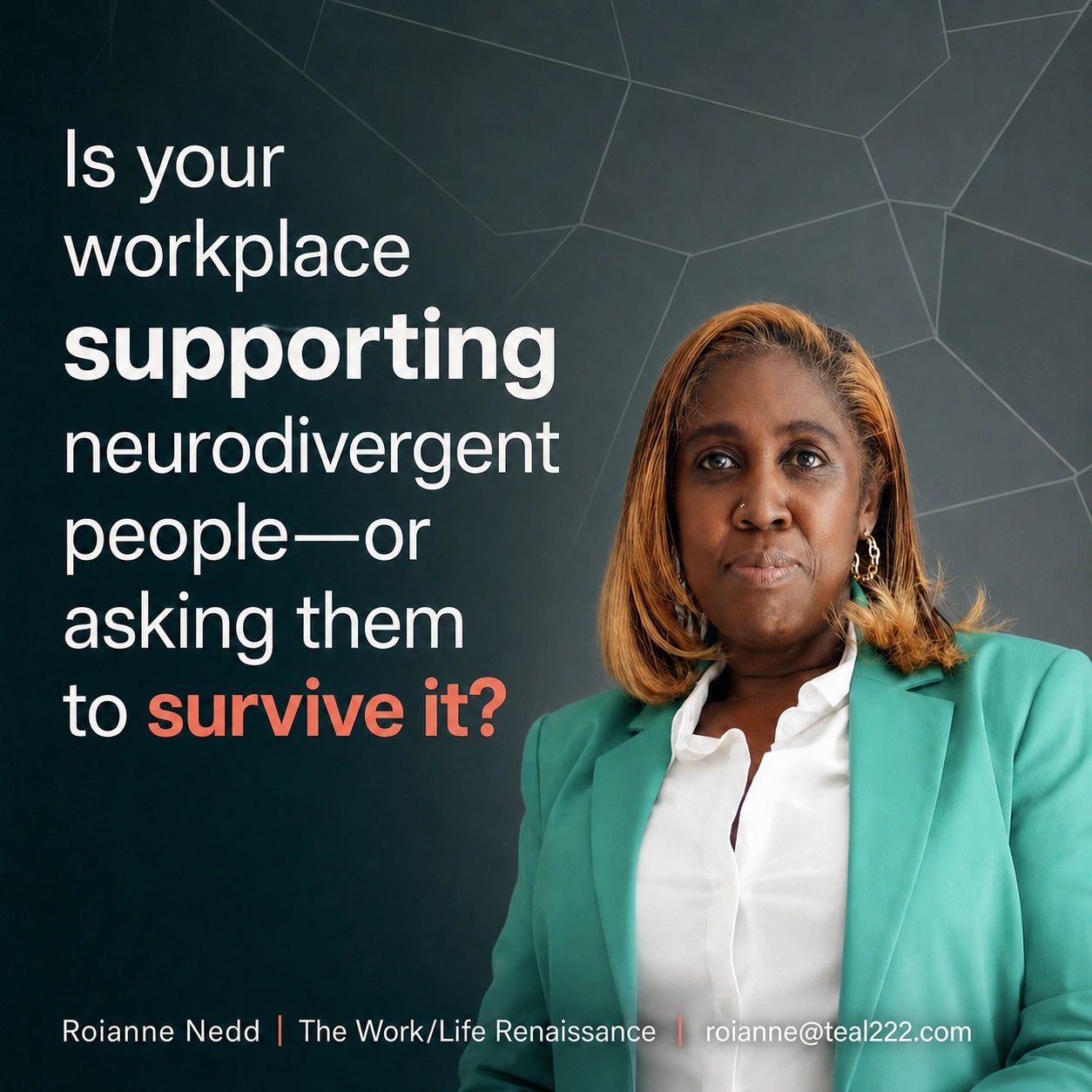
I don’t often talk about my neurodivergence.
When I discovered a few years ago that I am autistic and have ADHD—AuDHD—so many things finally made sense. I felt elated, but I also mourned the person I might have been with greater understanding and care.
Then came a more painful realisation: even when people knew, they didn’t necessarily become kinder. Workplaces didn’t automatically accommodate me. Colleagues didn’t always pause before becoming impatient, unkind or derisive.
I wasn’t suddenly protected. If anything, it sometimes felt worse because my expectations had been raised, only for my hopes to be dashed.
I’m not a neuroscientist, and neurodiversity support isn’t a standalone strand of my business. I can only speak from lived experience and embed what I’ve learned into my work on organisational, leadership and team performance.
Here are five experiences—and five simple actions—that could help teams collaborate better across different ways of thinking, processing and behaving.
1. Make meeting rules apply to everyone.
I once shared my diagnosis and helped create ground rules for a meeting. Unfortunately, people behaved as though only I was bound by them. I was silenced, talked over and ignored while trying to control the movements and facial expressions others had described as “distracting”.
I left in tears, dysregulated and despondent.
Ground rules must create safety for everybody, not constrain one person.
2. Get curious about the whole person—not just the part that is useful to you.
My ability to work extraordinarily long hours earned me the nickname “RoiBot”. What people didn’t see was the racing mind, sleepless nights and inability to stop solving work problems.
I was celebrated for overworking and penalised when I needed rest. The result was multiple episodes of burnout.
3. Normalise pivoting or stopping projects.
My mind is full of ideas, but it also processes information quickly and recognises patterns. Sometimes I can see that a project is unlikely to succeed long before others do.
That has been interpreted as boredom or negativity. Often, I’m simply trying to conserve energy and resources rather than flogging a dead horse.
Create processes that allow people to challenge, pivot or stop work when the evidence supports it.
4. Applaud questions instead of punishing them.
I’ve been called “a nightmare in meetings” and “painful to work with” because I ask questions.
Sometimes my brain cannot see the route forward without more information. If I’m accountable for delivery, I need to understand.
Questions sharpen collective thinking. Curiosity should improve team performance, not damage someone’s reputation.
5. Balance governance with trust.
I’ve been told I’m too direct, while also finding it difficult to articulate every step between my initial idea and the solution I can already see.
Sometimes others have presented the same idea weeks later and received the praise. Sometimes managers have blocked the work because they couldn’t yet see the outcome.
If someone is trusted with seniority, resources and accountability, agree appropriate checkpoints—and give them room to deliver.
Neurodivergence isn’t a problem to be solved. It is one of the many ways human individuality shows up.
Progressive workplaces won’t simply ask neurodivergent people to fit into broken systems. They will examine whether those systems are preventing people from contributing at their best.
I’ll be exploring this further in my forthcoming book, The Work/Life Renaissance, and accompanying podcast.
Do you have a lived experience or workplace story about neurodiversity that needs to be heard? I’d love to hear from you.
I’m Roianne Nedd, a leadership advisor, organisational culture consultant, keynote speaker, author and fractional Chief People Officer. I help leaders and organisations build healthier cultures, navigate change with confidence and create workplaces where people and performance can thrive together.
Stay connected and discover more about my work here