Content warning: this piece discusses sexual assault.
People often ask me why I'm pushing to rethink the whole concept of work life balance, and all of its composite parts. I want to share a story that underpins the many challenges organisations face — one I don't think I've ever seen handled well anywhere.
At 18, she got the amazing news that she'd landed the job. Instead of going to university, she was going to start work, and maybe go back to studying later in life. She had the smarts and the grades for it, but life and personal circumstances had other plans.
She joined the organisation at 19, one of the youngest in the building, and quickly became known for her thirst for knowledge and for being more responsible than most teenagers — even though she still carried a fair amount of teenage angst.
While she was there, she met "Luke". He was 38, twice her age. She wasn't from London, and her upbringing had been more sheltered than she realised. She thought she was a grown woman. She wasn't. Luke, a manager, pursued her, and they dated for a while. Things ended amicably. He was friends with her bosses and every manager in the office. No one questioned it.
One night, after work drinks, she found herself stranded with no lift home. Her naivety was obvious — she simply didn't know how to navigate London at night. Night buses were alien to her, and once the tubes stopped, she was lost. Her friend had left her stranded. Difficult dynamics at home meant she couldn't call there either. Luke, who was still around, offered her a place to stay. She accepted gratefully, telling him clearly it was strictly platonic.
They got to his house. The expectations changed. She froze, scared of the alternative — being thrown out into a strange area in the middle of the night. Despite saying no, his way was the only choice.
The next day, on autopilot, she accepted a lift to the station and went home as if nothing had happened. Numb, with the emotions locked in a box where they would live for decades. On Monday she went back to work. She told only her best friend, a fellow teenager in his first job too. They told no one. Who could they tell? Workplace policy said nothing about this. So she locked it away and replaced the pain with ambition — rising through the ranks with dizzying speed, working her way out of the office that reminded her of Luke.
Today she's a successful executive, transitioning into running her own business, because it's time workplaces changed.
She wants three things to change:
Clarity on relationships and boundaries. Organisations need to be far clearer about appropriate and inappropriate relationships, interactions and expectations between colleagues — especially for young people in their first jobs. It's time we rethought what entry-level induction and support actually looks like.
Real avenues for pastoral care. Clearer routes for seeking advice and support in navigating workplace challenges, for everyone, not just in theory but in practice.
Better leadership. Stronger performance management, support and education that builds leaders capable of handling challenges like these — because most aren't, and that's not their fault, it's ours for not preparing them.
I've implemented some of the solutions she wished for into organisations I've worked in, and I'm excited to keep embedding them into my work life renaissance work:
- I've built concierge services into formal complaints systems, so employees can find an actual human being to connect with — someone who leaves them feeling empowered and supported throughout, not processed.
- I've trained advisors to help people navigate policies and processes that are often made needlessly complex in global organisations.
- I work with leadership teams to curate experiences, not training courses — spaces for open dialogue, curiosity and challenge, deeply grounded in individual and organisational values, at both the individual and group level.
Why have I taken up the challenge her experience presents for organisations?
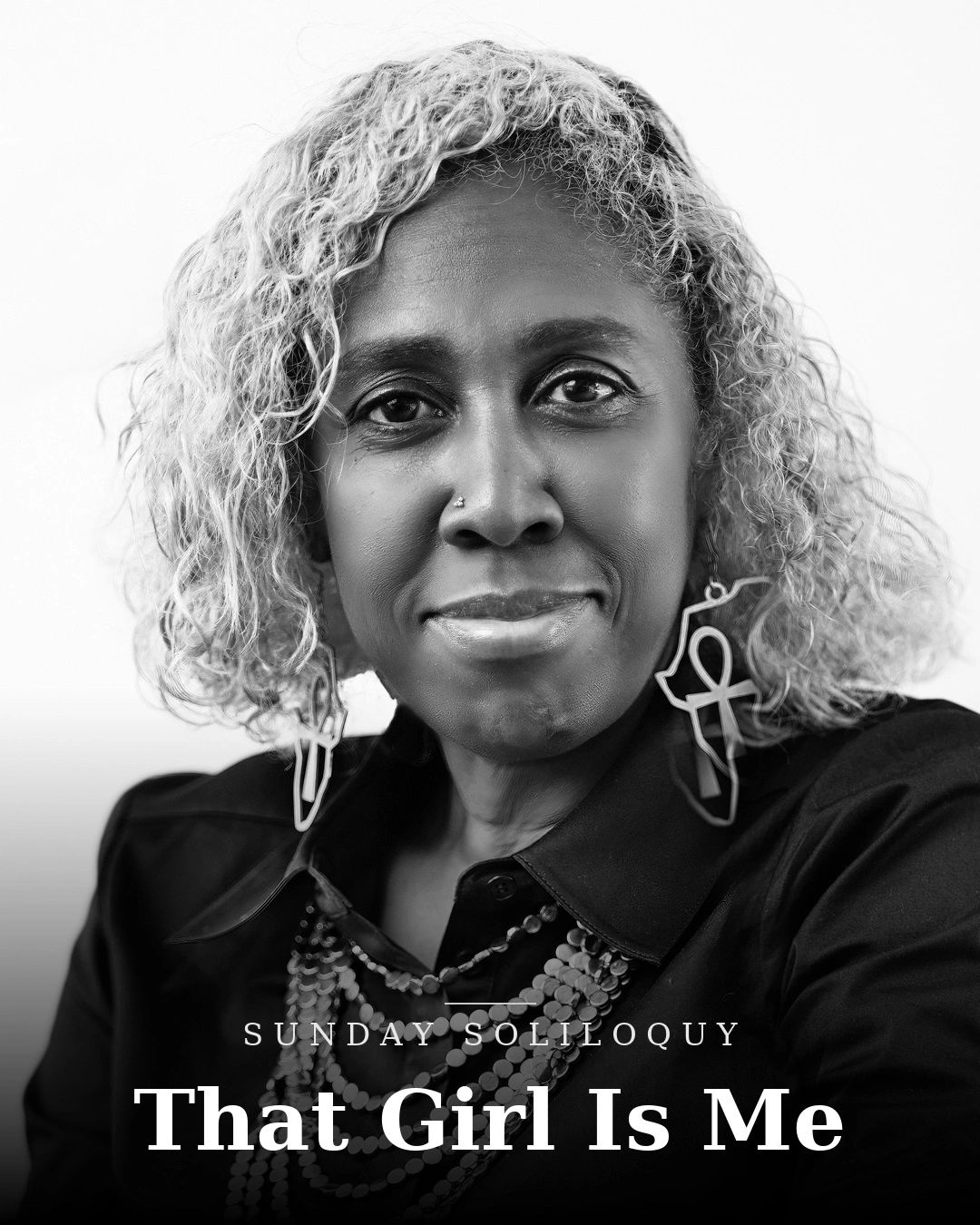
Because that girl is me.
If this story has caused you distress please reach out for help. Two organisations providing support in the UK are:
Want to talk? | Rape Crisis England & Wales
Samaritans | Every life lost to suicide is a tragedy | Here to listen
I'm Roianne Nedd, a leadership advisor, organisational culture consultant, keynote speaker, author and fractional Chief People Officer. I help leaders and organisations build healthier cultures, navigate change with confidence and create workplaces where people and performance can thrive together. If you'd like to follow my work, I'd love to stay connected: Join my community here.